Every child is different. They have their own personality, interests, routines, sense of humour and way of experiencing the world around them.
For parents of children who need additional support, finding the right nanny can be particularly important. This may include children who are autistic, neurodivergent, have ADHD, communication differences, sensory sensitivities, learning difficulties or other individual support needs.
The right nanny can become a reassuring and consistent presence in a child’s life. Someone who understands when to encourage, when to give a little more time, when to adapt an activity and, perhaps most importantly, how to get to know the individual child rather than focusing simply on a diagnosis.
At Platinum Nanny, we work with experienced nannies who can support families with children who have additional or special needs. Depending on the requirements of the child, this might mean finding a nanny with previous autism experience, someone who understands sensory needs, a nanny who has worked alongside therapists or schools, or simply a highly experienced childcare professional with the patience and emotional intelligence required for a more individual approach.
The starting point is always the same. Understanding your child.
__________
Getting to Know the Child First
When a nanny joins a family, one of the most important things they can do is take time to understand the child behind the routine.
What makes them laugh? What do they enjoy doing? Which toys or activities do they return to again and again? How do they communicate when they are tired, hungry, excited or uncomfortable?
Some children are very happy meeting new people. Others need more time.
Some enjoy busy environments and lots of activity, while another child may prefer a quieter afternoon after school.
A good nanny notices these differences.
They listen to parents, observe the child and gradually learn what makes them feel comfortable and secure.
Parents often know the little details that make the greatest difference. It could be a favourite cup, a particular bedtime routine, a familiar song in the car or knowing that a child prefers to be told a few minutes before an activity is going to change.
These details may appear small, but they can help a nanny create a familiar and reassuring environment.
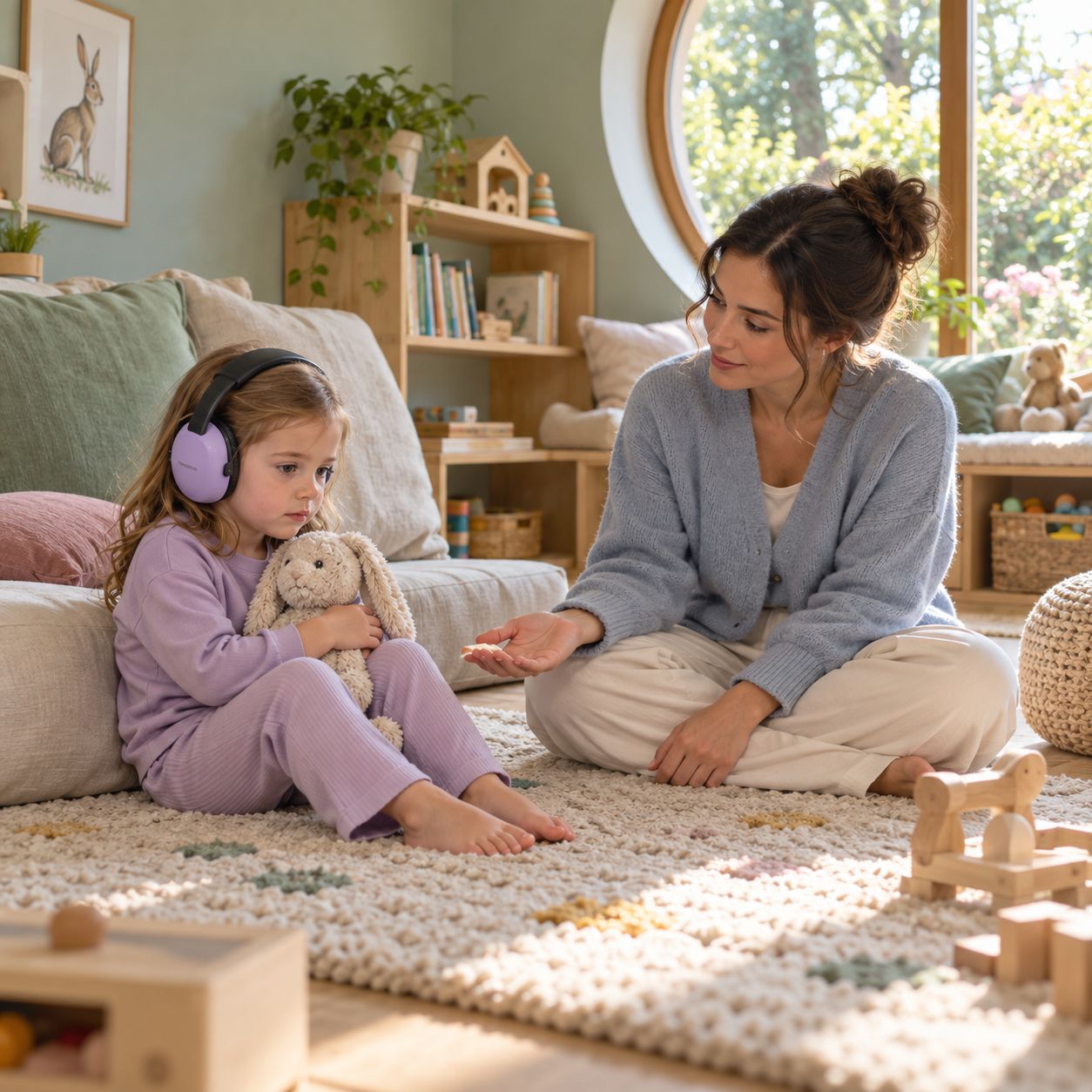
Building Trust Through Play
One of the loveliest ways for a nanny and child to develop a relationship is simply through play.
It does not need to be complicated or highly structured.
A nanny might sit on the floor and build a tower, look through a picture book, play with Lego, draw, bake something together or explore the garden.
Some children will invite the nanny into their game straight away. Others may prefer to play independently while the nanny sits nearby.
There is nothing wrong with either approach.
A thoughtful nanny follows the child’s pace.
If a child has a particular interest, this can also become a wonderful way of connecting with them.
A child who loves animals might enjoy visiting a farm, looking at wildlife books or helping to prepare food for a family pet.
A child fascinated by trains could build a railway, draw a map, plan a journey or visit a transport museum.
A child who loves water might enjoy swimming, playing with pouring activities or exploring rock pools at the beach.
The important thing is that the nanny is genuinely interested in what interests the child.
That is often where trust begins.
____________
Creating Comfortable Daily Routines
Many children benefit from knowing what is going to happen during the day.
For some children with additional needs, predictability can be especially reassuring.
This does not mean life has to follow a rigid timetable. It simply means helping the child understand what is happening next.
Before school, this might involve laying clothes out the night before, packing the school bag together or talking through the morning routine.
After school, the nanny might recognise that the child needs some quiet time before starting another activity.
Another child may need to move, run outside or go swimming after sitting in a classroom.
The nanny learns what works.
They also learn when to change the plan.
Perhaps the original idea was to visit a busy playground, but the child has had a tiring day and would be happier at home building Lego or reading.
Good childcare is not about completing a schedule. It is about understanding what the child needs that day.
_________
Understanding Communication
Children communicate in many different ways.
Some children are extremely verbal. Others may use shorter sentences, gestures, pictures, signs or communication devices.
Some children speak confidently at home but communicate very differently when they are tired or in unfamiliar surroundings.
A nanny needs to become familiar with the child’s preferred way of communicating.
Parents can explain how their child asks for something, how they show that they need a break and what signs might indicate that they are becoming uncomfortable or overwhelmed.
The nanny should also give the child time to respond.
Sometimes adults ask a question and immediately repeat it because the child has not answered. A child may simply need a little longer to process what has been said.
Good communication is not always about talking more.
Sometimes it is about listening better.
_____________
Sensory Comfort and Everyday Life
For some children, ordinary surroundings can feel very different.
Sounds, lights, clothing textures, smells, crowds or particular foods may affect how comfortable they feel.
Understanding these sensitivities can make everyday life much easier.
A busy restaurant at lunchtime might be enjoyable for one child but exhausting for another.
A particular fabric might feel uncomfortable against the skin.
A noisy supermarket might be manageable early in the morning but overwhelming when it is crowded.
An experienced nanny can take these preferences into account when planning the day.
That might mean visiting the park at a quieter time, keeping familiar snacks in the bag, choosing comfortable clothing or making sure there is somewhere calm to go if the child needs a break.
Other children may actively seek movement and activity and feel happiest climbing, swimming, dancing or spending time outdoors.
Again, there is no single approach.
It is about understanding the child in front of you.
_____________
Encouraging Independence
As children grow, a good nanny should also help them develop confidence and independence.
This can happen naturally throughout the day.
A younger child might choose between two outfits.
An older child might help organise their school bag, prepare a snack or decide what they would like to do that afternoon.
If a task feels difficult, the nanny can break it into smaller steps rather than immediately taking over.
For one child, independence may mean learning to make breakfast.
For another, it may mean becoming confident enough to say that they need some quiet time.
Both are important achievements.
A good nanny encourages progress without creating unnecessary pressure.
The aim is not to compare the child with other children. It is to help them feel increasingly confident in their own abilities.

Working with Parents and Professionals
Parents should always remain central to the relationship between the nanny and child.
They know their child, their routines and what has worked well in the past.
Some children may also work with teachers, speech and language therapists, occupational therapists or other professionals.
Where appropriate, a nanny can help provide consistency by following agreed approaches at home.
For example, if a child uses a particular visual schedule at school, it may be useful to use something similar at home.
If a therapist has recommended a particular way of preparing a child for transitions, the nanny can follow the same approach.
The nanny is not there to replace therapists or medical professionals unless they hold the appropriate professional qualifications.
Their role is to support the child within everyday family life and work alongside the people already involved in their care.
For parents, having another experienced adult who understands their child can also be reassuring.
The nanny may notice patterns during the day, share useful observations and help parents maintain consistency during busy family life.
____________
Travelling with a Child Who Needs Familiarity
For international families, travel can be a significant part of family life.
Children may move between several homes, spend school holidays abroad or regularly travel with their parents.
For some children this is exciting. For others, unfamiliar surroundings, flights, different bedrooms and changes in routine can be tiring.
An experienced travelling nanny can make these transitions easier.
They might prepare the child in advance by explaining the journey, packing familiar toys and keeping parts of the usual routine the same.
A favourite book at bedtime, the same morning routine or familiar snacks can provide continuity even when the family is staying somewhere completely new.
For families who travel frequently, the nanny often becomes one of the most familiar parts of the child’s environment.
That consistency can be incredibly valuable.
___________
What Experience Should Parents Look For?
The right professional background depends entirely on the child.
Some families may specifically want a nanny who has previously cared for autistic children.
Others may prefer someone who has supported children with ADHD, communication differences or sensory sensitivities.
For some families, previous experience working alongside occupational therapists, schools or other professionals will be particularly useful.
Parents should look beyond the words written on a CV.
If a nanny describes themselves as having specialist experience, ask what that actually involved.
Which children did they care for?
What were their responsibilities?
How did they adapt activities?
How did they communicate with parents?
How long did they stay with the family?
What did they learn from the experience?
Practical examples usually tell you far more than a list of qualifications.
Relevant childcare qualifications, paediatric first aid and safeguarding training are also important considerations.
Where a child requires specific medical or clinical support, the family should ensure that the person employed has the appropriate training and competence for those responsibilities.

The Personal Qualities That Matter
Experience is important, but the nanny’s personality matters just as much.
A child may spend many hours with their nanny, so the relationship needs to feel natural and comfortable.
Patience is important because some children need more time to respond, settle into a new situation or become comfortable with someone unfamiliar.
Calmness matters because children often respond to the emotional atmosphere around them.
Observation is valuable because a nanny who knows a child well will often notice small signs that they are becoming tired or uncomfortable.
Flexibility matters because what worked yesterday may not necessarily be right today.
And humour matters too.
Children want to enjoy spending time with their nanny.
The best relationships are often built through shared jokes, favourite games, funny routines and ordinary everyday moments.
_____________
Questions to Ask During an Interview
An interview is an opportunity to understand how the nanny actually thinks about childcare.
Rather than asking only general questions, give candidates situations to talk through.
You might ask how they would approach a child who was initially reluctant to interact with them.
Ask them to describe an activity they have adapted for a child in the past.
Ask what they would do if a child became overwhelmed during a family outing.
Ask how they communicate observations to parents.
If your child works with therapists or teachers, ask the nanny whether they have previously followed professional guidance and how they incorporated that into everyday care.
The answers do not need to sound clinical.
In fact, practical and thoughtful answers are often much more revealing.
You are looking for someone who understands that every child is different and who can explain how they have adapted their approach in real situations.
_____________
Why a Trial Can Be So Valuable
A trial can be particularly helpful when recruiting a nanny for a child with additional needs.
An interview tells you a great deal about a candidate, but it cannot fully show how that person will interact with your child.
During a trial, parents can observe how the nanny approaches the relationship.
Do they immediately try to take control, or do they take time to observe?
Do they listen when the child communicates?
Do they show an interest in the things the child enjoys?
Can they adapt naturally if an activity is not working?
Are they comfortable giving the child some space?
It is also important not to expect an instant connection.
Some children take time to become comfortable with a new person.
A successful first meeting may simply mean that the child feels relaxed enough to have the nanny nearby.
Trust can develop gradually.
The nanny should also use the trial to understand the family, the routines and the realities of the position.
The strongest placements work for everyone involved.
_______________
Finding the Right Nanny with Platinum Nanny
Finding a nanny for a child with additional or neurodivergent needs should never feel like searching for a standard profile.
Every child is different, and every family needs something slightly different too.
One family may need a nanny with extensive autism experience.
Another may need someone patient and energetic who understands ADHD.
Another family may be looking for a travelling nanny who can provide continuity between several homes while working alongside therapists, schools and other household staff.
At Platinum Nanny, we can help parents identify nannies whose experience and personality are suited to their child’s individual needs.
Our searches can include nannies with experience supporting autistic children, neurodivergent children and children requiring additional support, as well as highly experienced professional nannies who have worked alongside specialist teachers, therapists and healthcare professionals.
We take time to understand not only the practical requirements of the position, but also the child’s personality, interests, routines and the wider dynamics of the family.
Ultimately, the right nanny should not simply understand a child’s support needs.
They should understand the child.
Someone who knows what makes them laugh, recognises when they need a little more space, shares their interests and becomes a familiar and trusted part of their everyday life.
For families, that is often what makes the difference between finding a nanny and finding the right nanny.
For discreet advice on finding an experienced nanny for a child with additional or neurodivergent needs, please visit www.platinumnanny.com or contact Platinum Nanny on WhatsApp at +33 7 60 03 83 55.
__________
Author’s Note
Platinum Nanny Ltd. specialises in the recruitment of bespoke private staff for VIP families worldwide. Our services encompass a wide range of roles, including estate managers, butlers, private chefs, housekeepers, nannies, gardeners and security personnel, all tailored to meet the unique requirements of your household.
